Best practice

How to Apply Rubber Paint

SILK PLASTER Rubber Paint is a flexible, elastomeric waterproof coating that stretches more than 70% of its original size and performs in temperatures from -60C to +90C without cracking or peeling. Because it bonds to such a wide range of substrates, indoors and out, this guide covers four real applications filmed on location: a wood door, a metal surface, a roof, and a facade, each with its own preparation steps and technique.

Every surface behaves differently under a flexible coating. Use the tabs below to find your surface and read the preparation steps, then scroll down to watch the matching video and follow the full application guide.

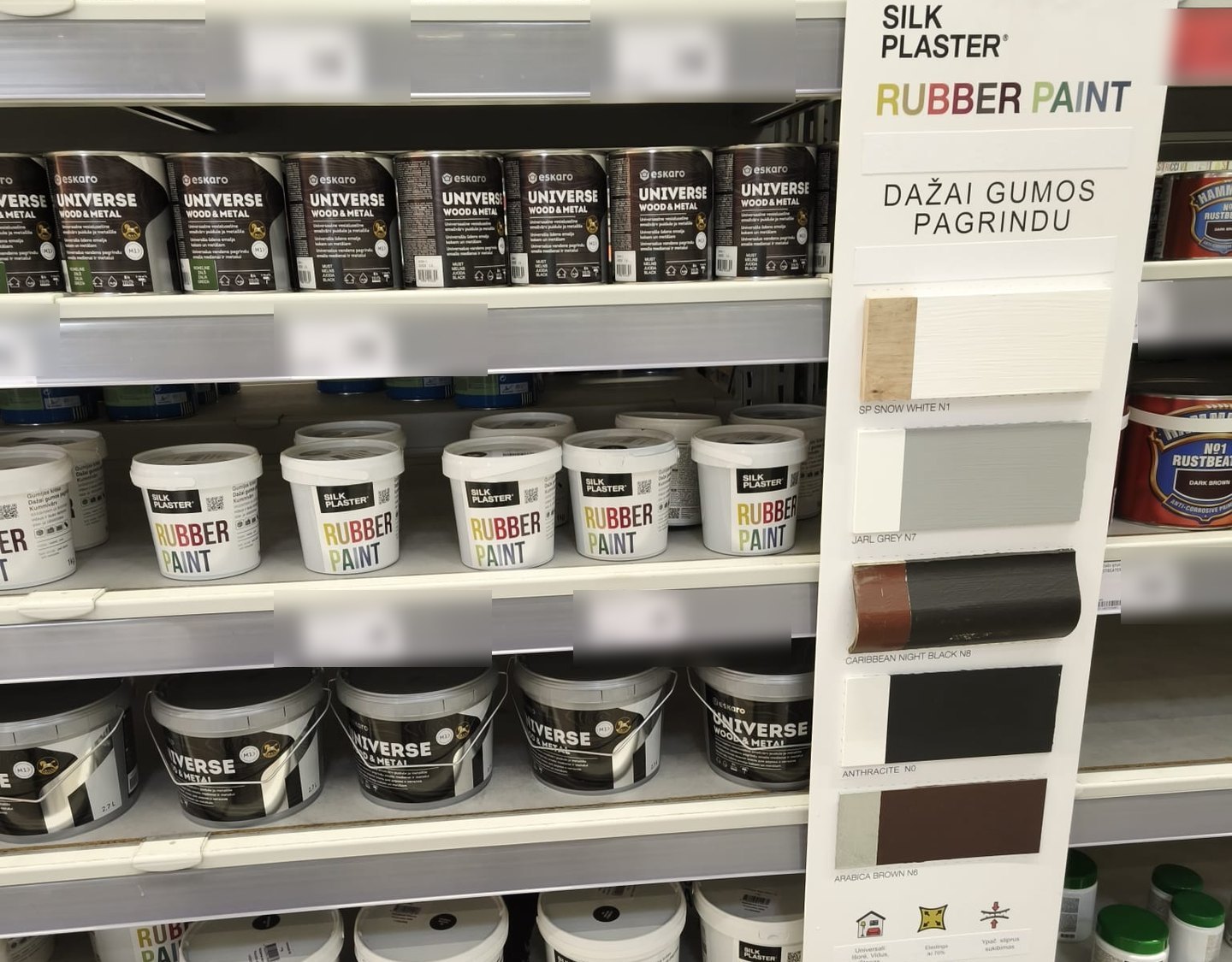
View SILK PLASTER Rubber Paint colours and products

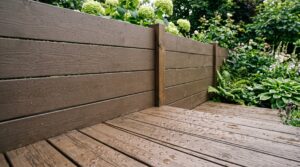
  • rubber paint for wooden surfacesWood Door
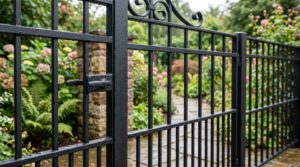
  • rubber paint for metal surfacesMetal
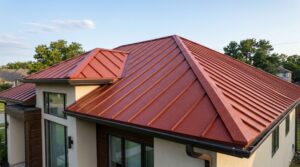
  • rubber paint for roofingRoof
  • rubber paint for facadesFacade

Wood Door

Exterior wood doors expand and contract with humidity and temperature, and a coating applied to them needs to move with the timber instead of fighting it. The elastomeric film of SILK PLASTER Rubber Paint is well suited to this, since it stretches with seasonal movement rather than cracking along the grain.

  1.  

    Sand the door back to a clean, dry surface and remove all loose paint, varnish, dust and grease. Fill any cracks or gouges in the timber and let the filler cure fully before continuing.

  2.  

    Prime bare or repaired wood with a wood suitable primer, paying attention to end grain and panel joints, which absorb the most moisture. Let the primer dry completely.

  3.  

    Apply SILK PLASTER Rubber Paint in two thin, even coats with a brush or roller, working along the grain. Allow the first coat to dry fully before applying the second.

Is the surface ready? Watch our video of a real wood door application below.

Metal

Bare or previously painted metal corrodes from underneath a coating long before any damage becomes visible on the surface, so preparation matters more here than on any other substrate on this page.

  1.  

    An anti-corrosion primer is mandatory before applying Rubber Paint to any metal surface. Skipping this step allows moisture to reach bare metal under the paint film, and rust will eventually lift the coating from the inside, even though the surface looks fine at first.

  2.  

    Remove rust, loose scale and old flaking paint back to a sound surface, then degrease it thoroughly. Any oil or grease left on the metal will stop the primer and paint from bonding properly.

  3.  

    Once the anti-corrosion primer has fully cured, apply Rubber Paint in two even coats by brush, roller or spray, allowing full drying time between coats.

Is the surface ready, and is the primer down? Watch our video of a real metal application below.

Roof

Roofs see the most extreme conditions of any surface on this page: direct sun, standing water and constant temperature swings, so both the weather on application day and the condition of the substrate need to be right before you start.

  1.  

    Clear the roof of moss, debris and loose material, and repair any cracks or flashing gaps before coating. Rubber Paint bridges hairline cracks but is not a substitute for structural roof repair.

  2.  

    Apply only in dry weather, with no rain forecast for at least 24 hours, and avoid application in direct midday heat or when the surface is too hot to touch.

  3.  

    Apply in two to three thin coats rather than one thick coat, letting each coat cure fully. Thin coats dry evenly and bond better than a single heavy application.

Is the roof ready and is the weather right? Watch our video of a real roof application below.

Facade

Facades combine large surface areas with constant weather exposure, so consistent preparation across the whole wall matters as much as the coating itself.

  1.  

    Repair cracks, gaps and damaged render first, and make sure the facade is clean, dry and free of loose or flaking material before priming.

  2.  

    Prime porous or previously painted render so the coating absorbs evenly across the whole facade. This prevents patchy sheen once the paint has dried.

  3.  

    Apply Rubber Paint in two even coats suited for exterior exposure, working in manageable sections and keeping a wet edge to avoid visible overlap lines.

Is the facade ready? Watch our video of a real facade application below.

IMPORTANT!

Rubber Paint is a ready to use coating. Do not dilute it with water or thinners, this weakens the elastomeric film and reduces its stretch and waterproofing performance.

Apply only in dry, frost-free conditions, and avoid direct application in extreme heat or direct sun on a hot surface. Check the current SILK PLASTER Rubber Paint technical data sheet for the exact application and curing temperature range before starting.

Always work in a ventilated area, and use gloves and eye protection, particularly when spraying.

Stir the paint thoroughly before use and periodically during application, especially after opening a can that has been stored for a while.

Allow full drying time between coats, and full cure time before exposing the surface to rain, foot traffic or immersion, such as pools and water reservoirs. Recoating too early traps moisture under the film.

Store cans sealed and upright, away from direct sunlight and frost, following the storage conditions on the can label.

On metal, the anti-corrosion primer step is not optional. See the Metal tab above for details.

Best practice

Application on Wood Door

Watch how Rubber Paint is applied to a wood door from start to finish. View Rubber Paint colours and products

Prepare the door

Sand back to a clean surface, fill any gouges, and wipe down to remove dust before priming.

Prime bare and repaired wood

Prime bare timber and any filled areas, then let the primer cure fully before opening the paint can.

Apply two coats

Brush or roll Rubber Paint along the grain in two thin coats, letting the first coat dry fully before the second.

Best practice

Application on Metal

Watch how Rubber Paint is applied to a metal surface, including the mandatory anti-corrosion primer step. View Rubber Paint colours and products

Apply anti-corrosion primer first

This step is mandatory on metal. Let the primer cure fully before applying Rubber Paint, skipping it allows corrosion to develop under the finished coating.

Clean and degrease the metal

Remove rust, loose scale and old paint, then degrease the surface so the primer and paint can bond properly.

Apply two coats of Rubber Paint

Brush, roll or spray two even coats over the cured primer, allowing full drying time between coats.

Best practice

Application on Roof

Watch how Rubber Paint is applied to a roof in real weather conditions. View Rubber Paint colours and products

Check the weather

Apply only in dry conditions with no rain expected for at least 24 hours, and avoid coating a roof that is hot to the touch.

Clear and repair the surface

Remove moss and debris, and repair cracks or flashing gaps before coating starts.

Apply two to three thin coats

Thin, even coats cure more reliably on a roof than one thick coat. Let each coat dry fully before the next.

Best practice

Application on Facade

Watch how Rubber Paint is applied to a facade, from surface repair to the finished coat. View Rubber Paint colours and products

Repair the render

Fill cracks and gaps and remove loose or flaking material before priming the facade.

Prime the surface

Prime porous or previously painted areas so the whole facade absorbs the coating evenly.

Apply two coats, keeping a wet edge

Work in manageable sections and keep a wet edge between passes to avoid visible overlap lines.

silk plaster news

latest news and articles

Read about the latest news, products, and design trends.

Have A Question ? Start Consultation Now

It is possible to become a distributor for SILK PLASTER. You can find SILK PLASTER in more than 900 boutiques located all over the world. Numerous multi-brand stores also retail our products as well as thousands of private traders. We are always actively working to expand our distribution network and would be very happy to hear from you!