
Why Clay & Lime Plaster Is Appearing in Wellness-Driven Specifications
Ten years ago, specifiers chose lime plaster and clay plaster for heritage restorations and little else. That has changed. As the WELL Building Standard, BREEAM, and LEED push measurable indoor air quality (IAQ) targets into mainstream commercial and residential projects, natural lime finishes have moved from conservation niche to specification shortlist. The reason is straightforward: lime plaster does things that synthetic wall coatings cannot.
This article explains the material science behind that claim, ties it to specific certification credits, and identifies where Silk Plaster’s Marmorino Carrara and Travertino Naturale fit in a modern specification.
24-Month Slaked Lime: Why Ageing Matters
Not all clay plaster and lime plaster is equal, and the difference starts in the slaking pit. When limestone (calcium carbonate) is calcined at approximately 900 °C, it becomes quicklime (calcium oxide). Adding water converts it to slaked lime (calcium hydroxide) — the binder in every traditional lime plaster. But the quality of that binder depends heavily on how long it matures.
Silk Plaster’s Marmorino Carrara uses lime slaked for a minimum of 24 months. Extended slaking produces finer, more uniformly hydrated particles. The practical consequences: better workability under the trowel, superior adhesion to the substrate, a denser finished surface with greater depth of polish, and a longer open working time that allows the applicator to build movement and texture without the material setting prematurely.
Cheaper lime plasters, particularly those based on dry hydrate powder mixed on site, produce a coarser paste that carbonates faster but develops less mechanical strength and less visual depth. For specifiers comparing products on a technical data sheet, the slaking period is one of the clearest indicators of final finish quality.

Breathability: What It Actually Means in a Wall Assembly
The term “breathable” is used loosely in interiors marketing. In building physics, it has a precise meaning: vapour permeability — the ability of a material to allow water vapour to migrate through it without trapping liquid moisture inside the wall assembly.
Lime plaster is highly vapour-permeable. Its open-pore microstructure allows moisture to pass through the wall when humidity is high and release back into the room when conditions dry out. This passive moisture buffering has measurable effects: research published in the National Library of Medicine (PMC) found that lime-plastered interiors with adequate ventilation maintained indoor relative humidity within a narrower, healthier band than interiors finished with nonporous coatings. The same study observed that mould growth was absent in well-ventilated, lime-plastered spaces — and present where vapour-impermeable finishes had been applied over the same substrate.
This matters because modern buildings are increasingly airtight. Energy codes in the EU and UK demand minimal air leakage, which is correct for thermal performance — but airtight walls finished with nonporous coatings can trap interstitial moisture, creating concealed condensation and the conditions for mould. A lime finish on the interior surface of an airtight wall lets moisture migrate outward through the plaster rather than accumulating behind it. The wall is sealed against air but open to vapour. That distinction is the core of good hygrothermal design.
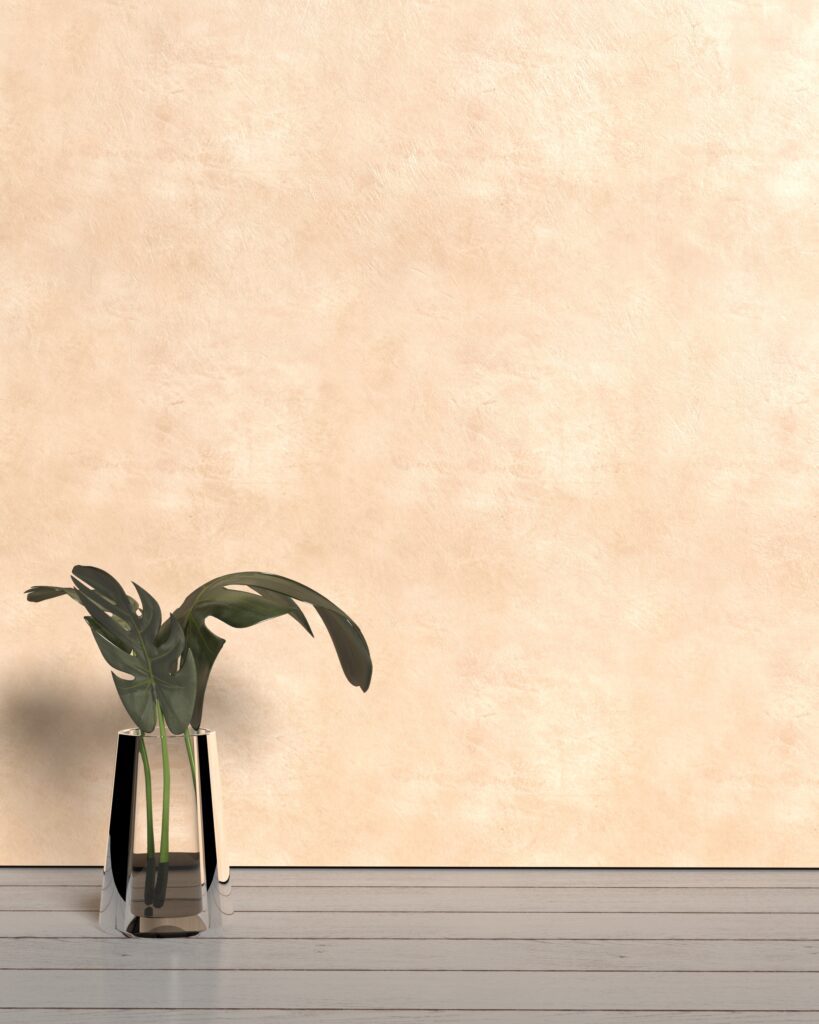
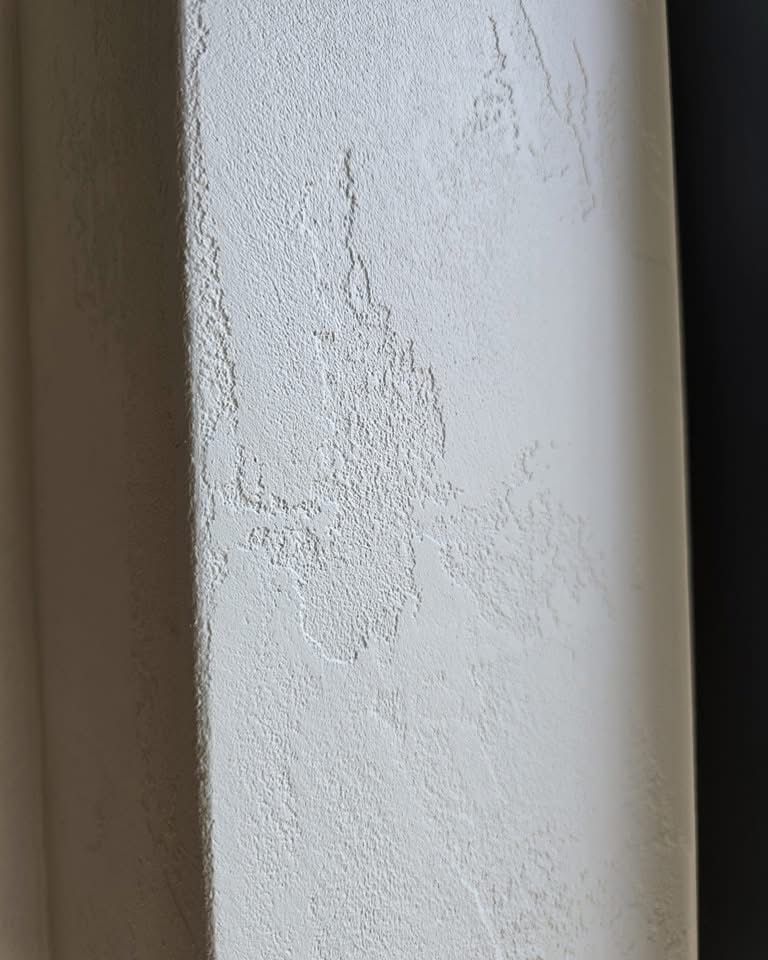
Silk Plaster’s Travertino Naturale is the most breathable finish in the range. Its open-pore travertine texture — composed of lime hydrate, pure clay, selected marbles, and natural sands — maximises the surface area available for moisture exchange. Marmorino Carrara, while smoother and more polished, retains meaningful vapour permeability because the binder is pure slaked lime with no synthetic resin blocking the pore network.

Anti-Mould Properties: The pH Advantage
Lime plaster is naturally alkaline, with a surface pH typically above 12 during curing and stabilising around 9–10 over time as carbonation progresses. Mould spores require a pH below 8 to germinate. This means a freshly applied lime surface is actively hostile to mould colonisation — not through chemical additives, but through the inherent chemistry of the material.
Compare this with standard gypsum plasterboard, which has a near-neutral pH and no antimicrobial properties. In humid environments — bathrooms, kitchens, poorly ventilated bedrooms — gypsum finishes rely entirely on mechanical ventilation and surface coatings to prevent mould. If the ventilation system underperforms or the coating degrades, mould establishes rapidly. Lime plaster provides a passive, permanent defence layer that does not depend on mechanical systems operating correctly.
For healthcare, education, and residential projects where occupant health is a primary design driver, this passive antimicrobial function is a significant specification advantage.
WELL Building Standard: Where Lime Plaster Earns Credits
The WELL Building Standard v2, administered by the International WELL Building Institute, evaluates buildings across ten concepts including Air, Materials, and Mind. Natural lime plasters contribute to credits in at least three areas:
Feature A04: VOC Reduction. WELL requires that 100% of installed paints and coatings meet VOC content limits defined by the California Air Resources Board (CARB) SCM or SCAQMD Rule 1113. Silk Plaster’s lime finishes are manufactured using a VOC-free production process and contain no solvents or volatile organic compounds. They carry European emission certification including the most stringent indoor air quality testing standard in Northern Europe. The testing protocols is accepted under WELL v2’s Feature X06 (VOC Restrictions) via the EN 16516 compliance pathway, which references the EU LCI values.
Feature X06: VOC Restrictions (Materials Concept). This feature awards up to four points for using low-emitting interior finishes. At least 75% of wet-applied products (by surface area or volume) must comply with CDPH Standard Method V1.2 or the equivalent EN 16516/AgBB route. A project finished primarily with natural lime plaster can meet this threshold without difficulty, since the material contributes zero VOC emissions to the indoor environment.
Feature X05: Enhanced Material Restrictions. WELL rewards products with transparent chemical inventories. Lime plaster’s composition is inherently simple — calcium hydroxide, marble aggregate, natural pigments — making full ingredient disclosure straightforward. No proprietary synthetic additives need to be tracked or screened.
Beyond WELL, these same material properties support BREEAM Hea 02 (Indoor Air Quality) credits and contribute to LEED v4.1 EQ credits for low-emitting materials.
Biophilic Design: The Sensory Argument
Certification credits address measurable chemistry. But there is a parallel specification argument rooted in biophilic design — the principle that human wellbeing improves in environments that reference natural materials, textures, and processes.
Lime plaster delivers this on multiple levels. The surface is visually variable — tonal shifts, subtle veining, and the soft patina of a carbonating wall create depth that synthetic coatings cannot replicate. It is warm to the touch, not cold like ceramic or glass. And it changes slowly over time, developing a surface character that reflects the building’s age and use — a quality that biophilic design research associates with reduced cognitive load and increased occupant satisfaction.
Travertino Naturale, with its open cavities and geological texture, is particularly effective in biophilic schemes. Marmorino Carrara, with its polished marble depth, suits spaces where the biophilic reference is stone rather than earth.
A Note on Clay Plaster: How It Compares to Lime
Clay plaster is another natural wall finish that frequently enters the same specification conversations as lime. Like lime plaster, clay plaster is mineral-based, breathable, and free of synthetic binders — making it a popular choice in eco-building and wellness-focused interiors. Both materials support healthy indoor air quality by allowing moisture vapour to pass through the wall assembly rather than trapping it.
The key difference is durability and moisture resistance. Clay plaster remains water-soluble after curing — it can soften if exposed to sustained moisture, which limits its use to dry interior walls. Lime plaster, by contrast, undergoes carbonation: the calcium hydroxide slowly converts back to calcium carbonate, producing a surface that is effectively stone. This makes lime plaster suitable for semi-humid environments (kitchens, hallways, entryways) where clay would be at risk.
For projects where the specification calls for a fully natural, breathable interior finish with higher mechanical durability and moisture tolerance than clay alone, aged lime systems such as Silk Plaster’s Marmorino Carrara offer the best of both worlds: the natural, toxin-free qualities of clay plaster combined with the long-term performance of a carbonated mineral surface.
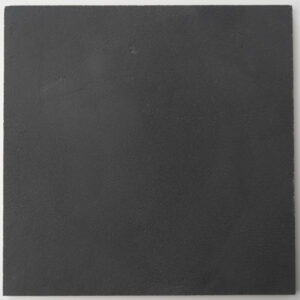
Dark Slate Marmorino
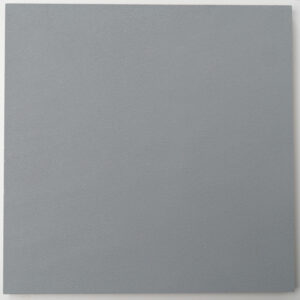
Ash Gray Marmorino Carrara
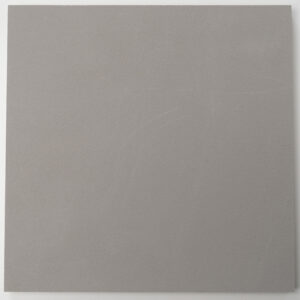
Taupe Marmorino
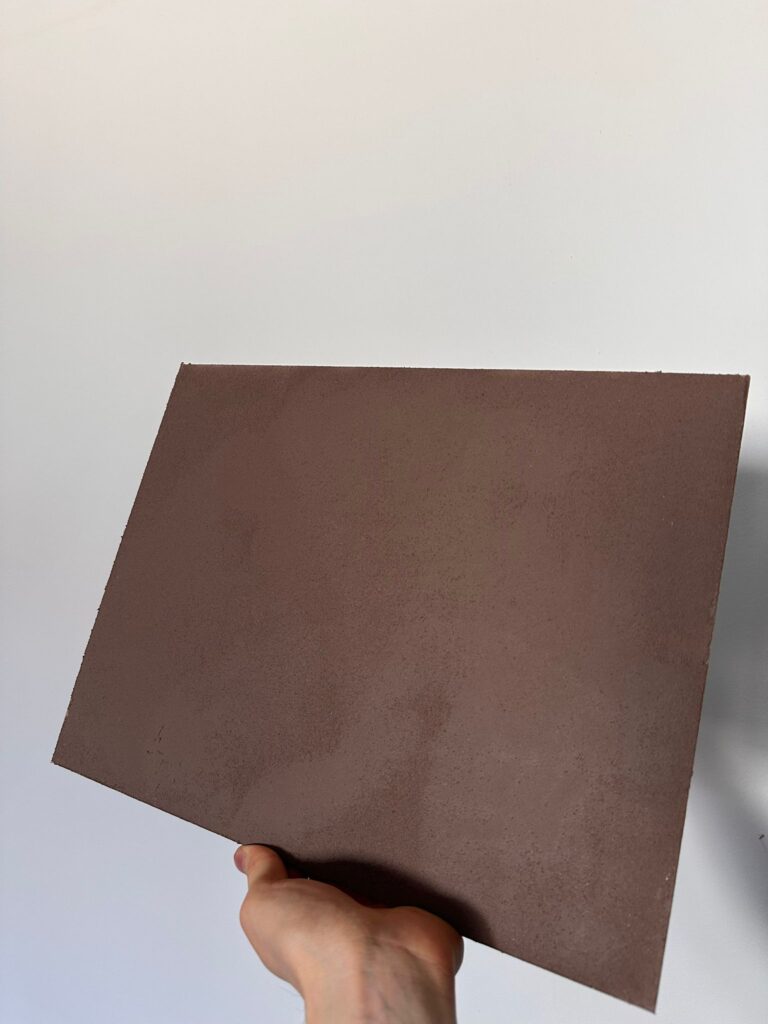
Marmorino Carrara colour samples — a selection from the Silk Plaster range
Specifying Silk Plaster Lime Finishes
Both Marmorino Carrara and Travertino Naturale are available through Silk Plaster’s decorative wall covers range. Key specification data:
- Binder: Natural slaked lime (minimum 24-month ageing for Marmorino Carrara)
- Aggregate: Crushed Carrara marble (Marmorino) / natural sands, clay plaster, and marble (Travertino)
- VOC emissions: Almost 0 — tested & certified
- Application: Trowel-applied, 2–3 coats, stainless steel Venetian trowel recommended
- Suitable substrates: Prepared plaster, render, concrete, plasterboard (with appropriate primer)
- Suitable areas: Interior walls and ceilings in dry and humid environments (not direct water contact — for wet areas, specify Silk Plaster Microcement)
- Manufacturing: Produced in Latvia, EU, under VOC-free production processes
For project samples, technical data sheets, or specification support, visit the decorative wall covers page or contact Silk Plaster’s specification team through the partner programme.