
Three Systems, Three Philosophies
Venetian plaster, microcement, and mineral lime plaster appear in the same specification conversations - but they solve different problems, behave differently under load, and fail in different ways. Choosing between them isn’t a matter of taste. It’s a matter of substrate, environment, traffic, and maintenance commitment. This guide breaks down where each system excels, where it falls short, and what the real-world cost and performance differences look like when the project is built, not just specified.What Each System Actually Is
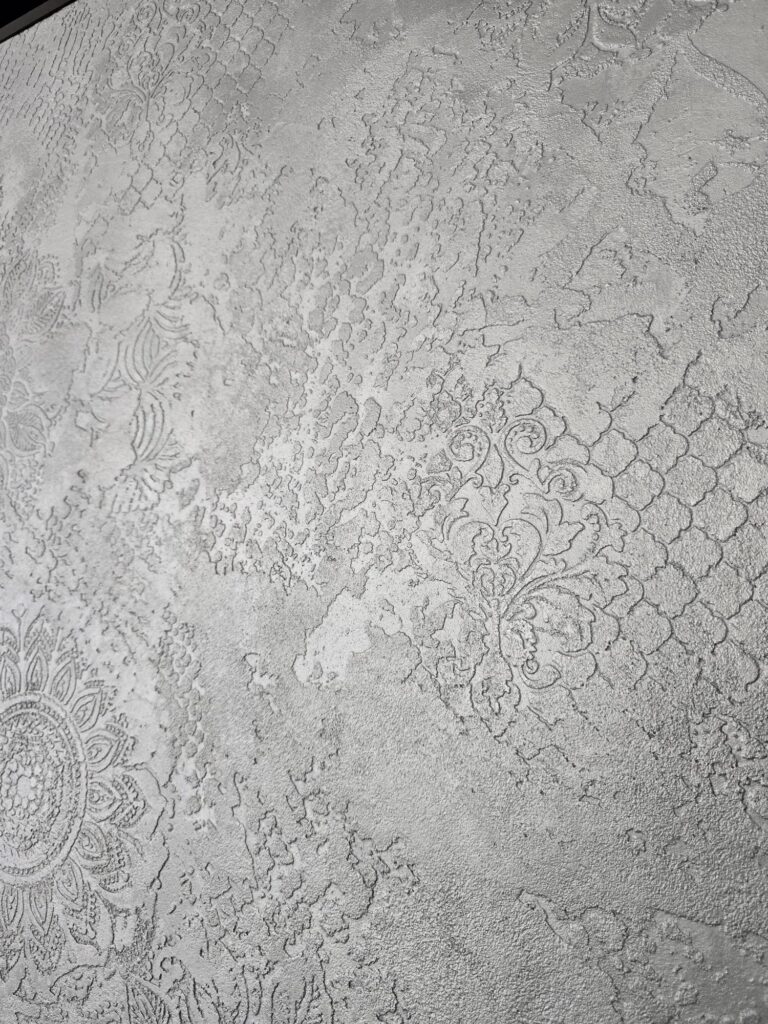
Venetian plaster (Marmorino, Stucco Lustro, Grassello, Stucco Italiano) is a calcium-carbonate-based decorative finish derived from slaked lime and crushed marble. Silk Plaster’s Marmorino Carrara uses 24-month aged slaked lime - the extended carbonation period produces a denser, more workable paste with superior depth of polish. The finished surface is mineral, breathable, naturally anti-mould, and develops a genuine stone-like patina. Application is multi-coat, trowel-applied, and demands skilled technique - particularly the burnishing passes that create the characteristic lustre. Microcement is a polymer-modified cementitious coating applied in thin layers (typically 3-4 mm total build) over existing substrates. Silk Plaster’s microcement system is factory pre-mixed - not a dry powder requiring on-site blending - which eliminates the batch-to-batch variation that causes colour shifts and black marks on finish coats. The system includes primer, base coats, finish coat, and a 2K polyurethane varnish for mechanical and chemical protection. The result is a seamless, jointless surface suitable for floors, walls, wet areas, countertops, and furniture. Mineral lime plaster (including Travertino Naturale) occupies a middle ground. Silk Plaster’s Travertino Naturale is a mineral lime-based system that replicates the texture of natural travertine stone - including the characteristic open pore structure. It’s fully mineral, breathable, and offers a textured matte finish that reads very differently from the polished depth of Venetian plaster or the smooth monolith of microcement.Head-to-Head Comparison
| Criterion | Venetian Plaster (Marmorino Carrara) | Microcement | Mineral Lime (Travertino Naturale) |
|---|---|---|---|
| Typical thickness | 1-2 mm | 2-3 mm | 2-4 mm |
| Suitable substrates | Prepared plaster, gypsum board, mineral surfaces | Concrete, screed, existing tiles, plaster, wood (with correct primer) | Prepared plaster, gypsum board, mineral surfaces |
| Floor use | No - walls and ceilings only | Yes - with 2K varnish protection | No - walls and ceilings only |
| Wet area suitability | Shower walls with sealer; not for direct water contact | Full wet area use - showers, basins, pool surrounds - with 2K varnish | Dry to semi-humid areas; not for direct water exposure |
| Breathability | Excellent - fully mineral, vapour-permeable | Moderate - polymer-modified, sealed with varnish | Excellent - fully mineral, vapour-permeable |
| Anti-mould | Natural - high pH inhibits mould | Via sealed surface - mould cannot penetrate varnish | Natural - high pH inhibits mould |
| Mechanical durability | Moderate - walls, not high-impact | High - 2K varnish gives abrasion and chemical resistance | Moderate - texture hides minor wear |
| Skill level | High - burnishing requires trained applicator | Medium-high - pre-mixed formula reduces variables | Medium - two-pass with texture tool |
| Cost per m² (material) | €15-€35 | €30-€40 (incl. 2 component varnish) | €12-€25 |
| Best for | Feature walls, reception areas, luxury residential | Bathrooms, kitchens, floors, renovations over tiles | Living spaces, bedrooms, hospitality, heritage |
Where Each System Wins
Venetian plaster: when the surface is the statement
Nothing replicates the optical depth of a well-burnished Marmorino. The calcite crystals in aged lime paste refract light in a way that polymer-based finishes cannot - the surface appears to glow from within rather than reflect from the top. For a hotel lobby feature wall, a residential living room accent, or a high-end retail interior where the wall finish carries the design intent, Venetian plaster is the correct specification. The trade-off is clear: it’s a wall finish only. It won’t survive foot traffic, direct water immersion, or heavy mechanical contact. And the application is slower - three to four coats with burnishing passes - which means higher labour cost per square metre. In our case Marmorino Carrara requires at least 2 coats.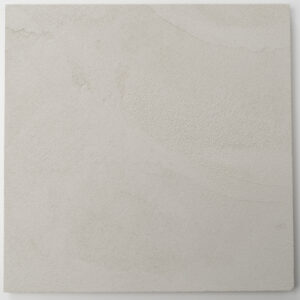
Warm Sand Plaster
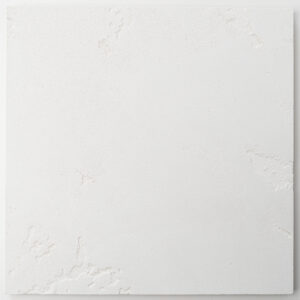
Chalk Cream Marmorino
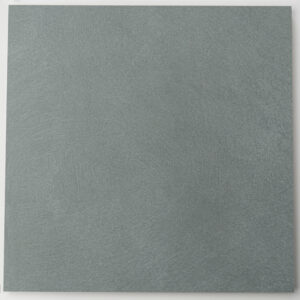
Sage Green Gray
Marmorino Carrara colour samples - available in a range of tones from Silk Plaster
Microcement: when performance governs the specification
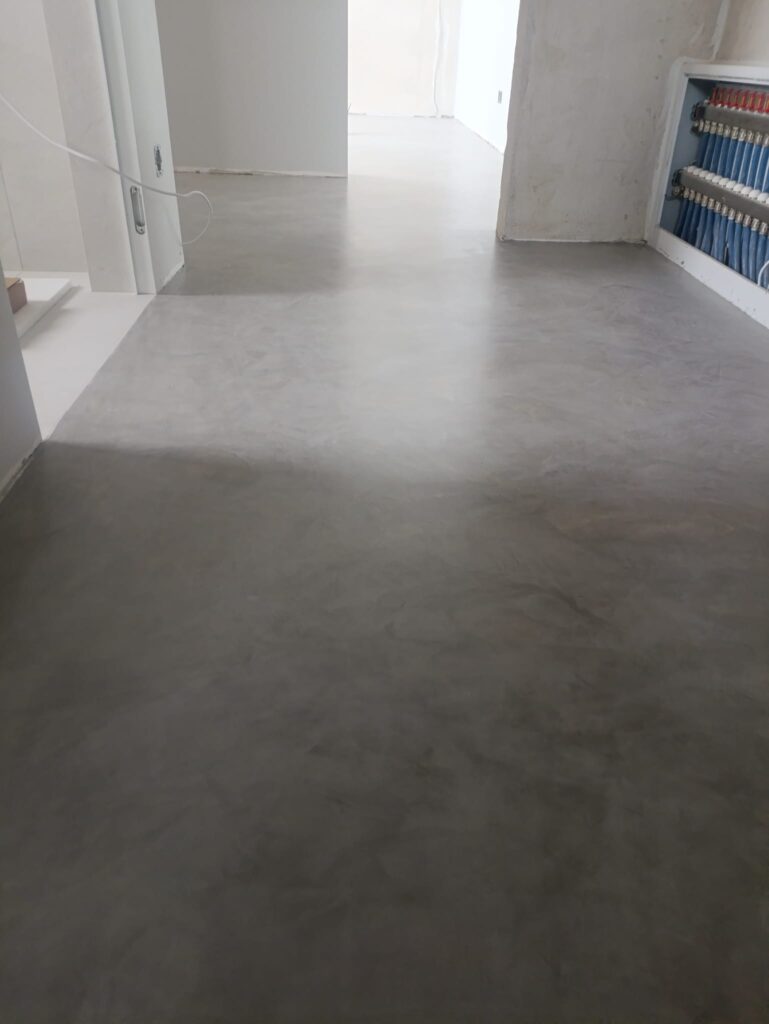
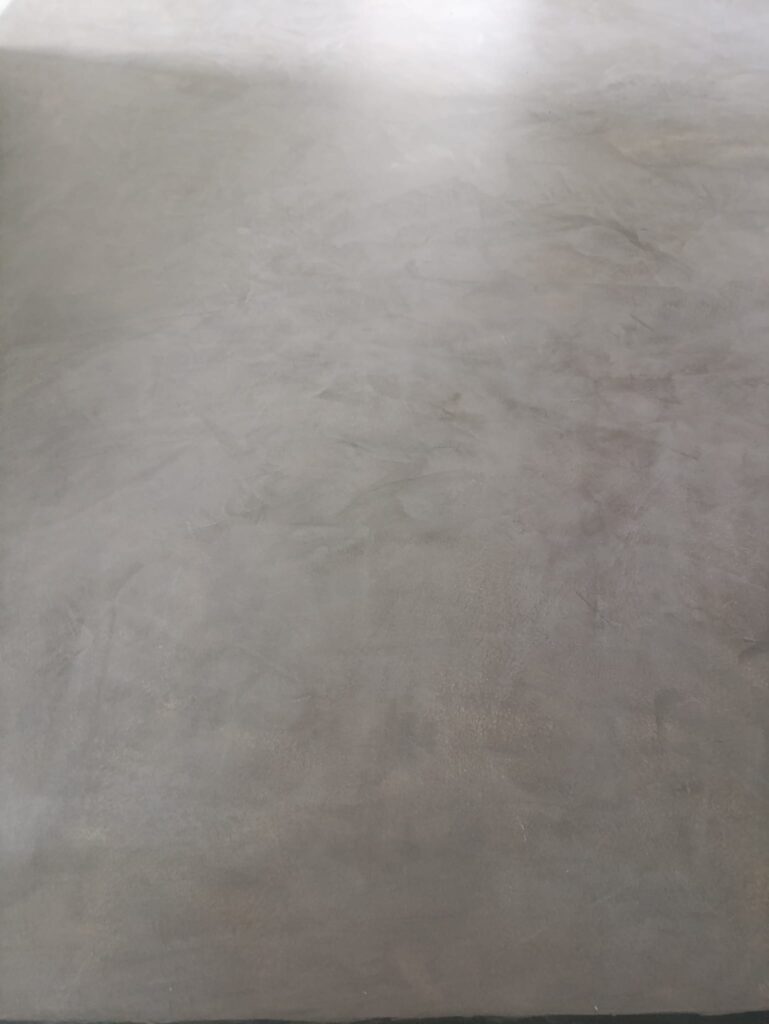
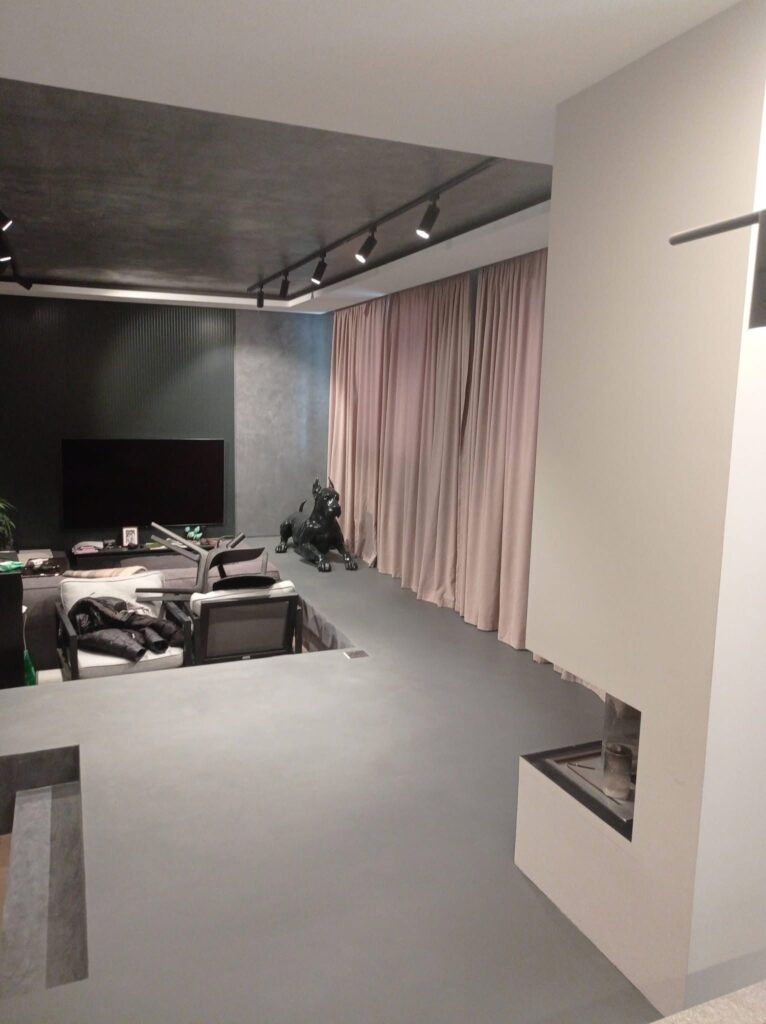
If the brief says “seamless bathroom floor and walls in the same finish,” microcement is the only option on this list. It bonds to existing tiles (eliminating demolition cost and waste), handles direct water contact when sealed, and withstands foot traffic on floors when protected with 2K varnish. Silk Plaster’s pre-mixed system specifically addresses the biggest risk in microcement work - black marks on finish coats caused by trowel oxidation - through a white-base formula with extended open time. The trade-off: microcement is a sealed system. Once the 2K varnish goes on, vapour permeability drops. In environments where wall breathability matters - historic buildings, lime-rendered substrates, spaces with limited mechanical ventilation - this is a genuine limitation, not a marketing distinction. Indicative material cost runs €20-€40 per m² including varnish, depending on colour and coverage rate. Labour adds €30-€60 per m² depending on market and complexity. On renovation projects where microcement overlays existing tiles, the total installed cost often comes in lower than demolition plus new tiling - and delivers a seamless result that tile grout lines never will.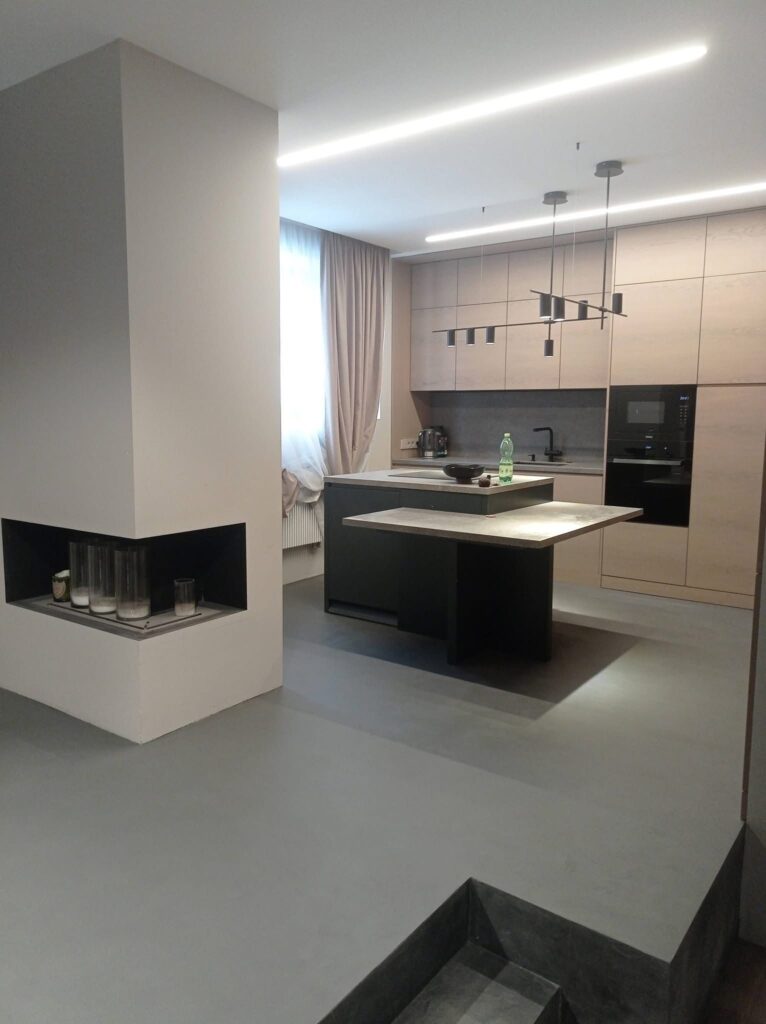
Mineral lime: when the building needs to breathe
Travertino Naturale’s strength is its mineral composition and textured character. In buildings with solid masonry walls, limited mechanical ventilation, or heritage restrictions on impermeable coatings, a fully mineral lime plaster is the technically correct wall finish. The high pH of the cured lime surface naturally resists mould colonisation - no biocide additives, no sealed surface needed. The texture also does practical work: the open-pore travertine effect disguises minor substrate imperfections and creates visual warmth without the sheen of polished Venetian plaster. For bedrooms, living rooms, boutique hotel interiors, and wellness spaces, the matte mineral texture reads as natural and calm. The trade-off: mineral lime is not suited for wet areas, floors, or high-traffic surfaces. It’s a wall and ceiling finish for dry to moderately humid interiors.